Hypertension, or high blood pressure, is one of the most common chronic health conditions worldwide. Often called the “silent killer,” hypertension frequently goes unnoticed until it leads to severe complications like stroke, heart attack, or kidney failure. Nurses play a critical role in identifying, monitoring, and managing hypertension across healthcare settings. Through comprehensive nursing care for Hypertension , they help individuals control their blood pressure and prevent complications.
This blog explores the best practices for nursing care for hypertension in managing hypertension, covering key responsibilities, interventions, patient education, and care planning to ensure optimal outcomes.
Understanding Hypertension
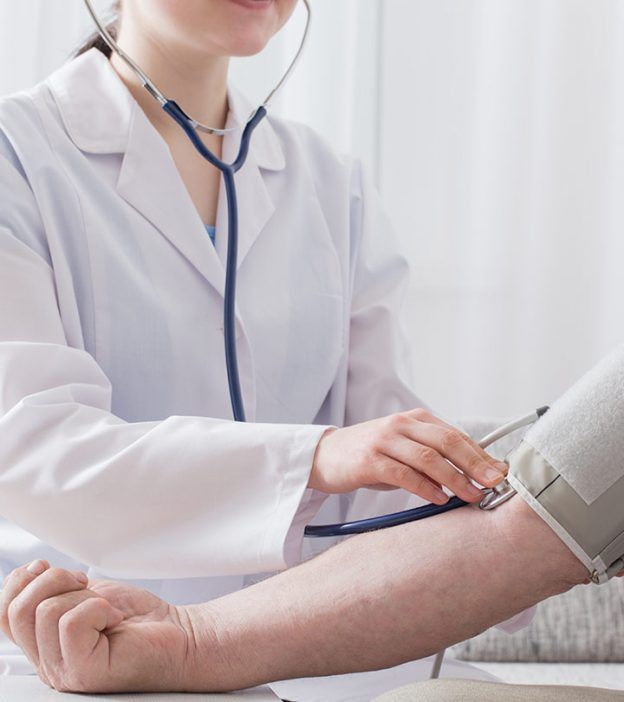
What is Hypertension?
Hypertension is defined as persistently elevated blood pressure, with a systolic pressure above 130 mm Hg and/or a diastolic pressure above 80 mm Hg. It is classified into stages:
- Normal: <120/80 mm Hg
- Elevated: 120–129/<80 mm Hg
- Stage 1 Hypertension: 130–139/80–89 mm Hg
- Stage 2 Hypertension: ≥140/90 mm Hg
- Hypertensive Crisis: >180/120 mm Hg
Primary vs. Secondary Hypertension:
- Primary (Essential) Hypertension has no identifiable cause and accounts for 90–95% of cases.
- Secondary Hypertension results from underlying conditions like kidney disease or hormonal disorders.
Role of Nurses in Hypertension Management
Nurses are often the first point of contact for patients and play a pivotal role in both acute and long-term management. Their responsibilities include:
- Screening and Assessment
- Monitoring Vital Signs
- Patient Education
- Medication Administration
- Lifestyle Counseling
- Developing and Evaluating Care Plans
Assessment and Monitoring
1. Accurate Blood Pressure Measurement:
Proper technique is vital for diagnosing and managing hypertension. Nurses must ensure:
- Use of correct cuff size
- Patient seated comfortably with back support
- Arm supported at heart level
- No recent caffeine or physical activity before the reading
2. Risk Factor Identification:
Gather a comprehensive health history, including:
- Family history of hypertension
- Lifestyle habits (diet, exercise, smoking, alcohol)
- Comorbid conditions (diabetes, obesity)
3. Monitoring for Symptoms and Complications:
Though often asymptomatic, signs like headaches, blurred vision, chest pain, or shortness of breath may appear in advanced cases.
Best Nursing Interventions
1. Lifestyle Modifications Counseling:
Lifestyle changes are the cornerstone nursing care of hypertension management. Nurses should educate patients on:
- DASH diet (Dietary Approaches to Stop Hypertension)
- Reducing sodium intake
- Increasing physical activity (150 minutes/week)
- Limiting alcohol
- Quitting smoking
- Stress management techniques (mindfulness, yoga)
2. Medication Management:
Nurses administer medications and monitor for side effects. Common antihypertensives include:
- Diuretics (hydrochlorothiazide)
- ACE inhibitors ( lisinopril)
- Beta-blockers (atenolol)
- Calcium channel blockers ( amlodipine)
Ensure patients understand:
- Importance of adherence
- How and when to take medications
- What to do in case of missed doses
3. Regular Monitoring and Follow-Up:
Nurses schedule follow-ups and encourage home BP monitoring, ensuring patients track and report readings.
Patient Education: A Cornerstone of Nursing Care for hypertension
Empowering patients with knowledge increases adherence and promotes self-care. Focus areas include:
- Understanding blood pressure numbers
- Recognizing symptoms of a hypertensive crisis
- Reading food labels for sodium content
- Creating a sustainable exercise plan
- Tracking weight and avoiding obesity
Educational materials should be tailored to the patient’s literacy level and language preferences.
Creating a Nursing Care Plan for Hypertension
Assessment Data:
- BP readings
- Lifestyle and diet habits
- Medication adherence
- Psychosocial factors
Nursing Diagnoses:
- Risk for decreased cardiac output
- Ineffective health maintenance
- Knowledge deficit related to disease process
Goals:
- Maintain BP within target range
- Demonstrate understanding of lifestyle modifications
- Adhere to medication regimen
Interventions:
- Educate on low-sodium diet
- Assist with setting physical activity goals
- Monitor weight and fluid balance
- Coordinate care with dietitians and physicians
Evaluation:
- Patient reports lifestyle changes
- BP readings within normal range
- Improved knowledge and self-management skills
Managing Hypertension in Special Populations
Elderly Patients:
- More sensitive to medications and side effects
- Risk of orthostatic hypotension
- Emphasis on fall prevention and frequent monitoring
Pregnant Women (Pre-eclampsia):
- Monitor for elevated BP and proteinuria
- Educate on warning signs (e.g., swelling, visual disturbances)
- Collaborate with obstetric care team
Patients with Comorbidities:
- Individualized plans for diabetes, kidney disease, or heart failure
- Frequent lab monitoring (e.g., electrolytes, renal function)
Collaborative Care and Referrals
Nurses often collaborate with:
- Primary care providers for medication management
- Dietitians for meal planning
- Pharmacists for medication counseling
- Social workers for socioeconomic barriers
Timely referrals ensure comprehensive, holistic care.
Challenges in Nursing Care for Hypertension
- Nonadherence to treatment
- Limited access to healthy foods or medications
- Cultural and language barriers
- Time constraints in busy clinical settings
Overcoming these requires creative problem-solving, building trust, and using available resources effectively.
Leveraging Technology in Hypertension Management
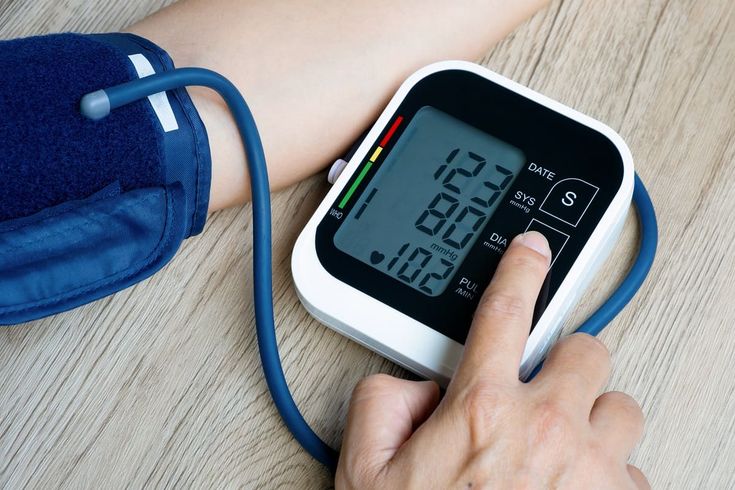
- Home blood pressure monitors
- Telehealth consultations
- Mobile apps for medication reminders and tracking
- Electronic health records for real-time monitoring and alerts
Nurses can teach patients to use these tools to enhance self-care.
Conclusion
Effective nursing care for hypertension is essential for managing hypertension and preventing its long-term consequences. By combining clinical skills, patient education, lifestyle counseling, and compassionate care, nurses help patients take control of their health. As frontline healthcare providers, nurses have the power to make a significant impact on public health by addressing one of the most prevalent conditions of our time.