As the world rapidly evolves, so do the healthcare needs of our communities. With increasing life expectancy, more seniors, patients recovering from surgeries, and families managing chronic illnesses require comprehensive, compassionate, and professional support right at home. Home care services have emerged as a crucial component of the modern healthcare system, enabling individuals to receive high-quality care without leaving their homes.
This guide explores the best home care services available for seniors, patients, and families—highlighting what makes them valuable, the types of care offered, how to choose the right provider, and what families can expect from a truly supportive care experience.
Table of Contents
- Introduction: The Rising Demand for Home Care
- Who Needs Home Care Services?
- Types of Home Care Services
- Benefits of Choosing Home Care
- Top Features of the Best Home Care Services
- How to Choose the Right Provider
- Comparing Home Care vs. Hospital Care
- Key Qualities in Professional Caregivers
- Technological Advancements in Home Care
- Real-Life Testimonials and Case Studies
- Challenges in the Home Care Industry
- Future of Home Care Services
- Conclusion
1. Introduction: The Rising Demand for Home Care
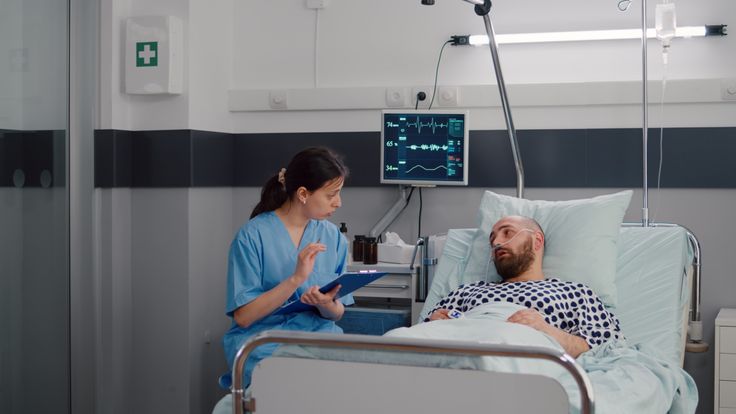
In the post-pandemic world, home-based healthcare has become not just an alternative but a necessity for many. Elderly individuals with mobility issues, patients discharged from hospitals, or those dealing with terminal conditions find in-home care more personalized, comfortable, and often more affordable.
With a shortage of hospital beds, rising healthcare costs, and increasing preference for personalized attention, the global home care industry is witnessing unprecedented growth. According to industry reports, the home care market in India alone is projected to grow at over 19% CAGR by 2030.
2. Who Needs Home Care Services?
a. Seniors
- Elderly individuals who need assistance with daily tasks
- Those with chronic illnesses like arthritis, Alzheimer’s, or Parkinson’s
- Seniors who prefer aging in place rather than institutional care
b. Post-Hospitalization Patients
- Patients recovering from surgery or illness
- Individuals needing physiotherapy or wound care
- Those requiring short-term skilled nursing at home
c. Chronically Ill Patients
- Diabetes, cancer, cardiovascular disease patients
- People with neurological disorders like stroke or epilepsy
- Those requiring palliative or long-term care
d. Families in Need of Support
- Working professionals managing elderly parents or disabled family members
- Parents with newborns or postpartum mothers
- Individuals with mental health conditions needing supervision
3. Types of Home Care Services
a. Medical Home Care
- Doctor visits
- Skilled nursing (injections, catheterization, IV administration)
- Physiotherapy and occupational therapy
- Medication administration and monitoring
b. Non-Medical Care
- Assistance with activities of daily living (ADLs) like bathing, grooming, and dressing
- Companionship and emotional support
- Meal preparation and light housekeeping
c. Palliative and End-of-Life Care
- Pain management
- Emotional and spiritual support
- Hospice services for terminally ill patients
d. Specialized Services
- Alzheimer’s and dementia care
- Postnatal and baby care
- Disability and mobility support
- Respiratory therapy and equipment support (e.g., oxygen concentrators)
4. Benefits of Choosing Home Care
- Comfort and Familiarity
Patients feel more relaxed and secure in their own homes, which promotes faster healing and emotional stability. - One-on-One Personalized Attention
Care plans are tailored to the individual’s specific health and lifestyle needs. - Family Involvement
Family members remain actively involved and updated on the patient’s condition. - Cost-Effectiveness
Home care eliminates hospital room and boarding costs, making it a more affordable option in many cases. - Reduced Hospital Readmissions
Ongoing monitoring and care help avoid complications and readmissions.
5. Top Features of the Best Home Care Services
The best home care services share the following features:
- Certified and Trained Staff: Nurses, caregivers, and doctors with verifiable credentials.
- 24/7 Availability: Round-the-clock support including emergency care.
- Customizable Care Plans: Flexibility to adjust plans as needs evolve.
- Technology Integration: App-based monitoring, digital records, and real-time updates.
- Transparent Pricing: No hidden costs; clearly documented billing.
- Family Support: Counseling, caregiver relief, and emotional support for family members.
- Reliable Backup: Immediate replacement of caregivers if needed.
- Strong Reviews: High ratings and positive testimonials from clients.
6. How to Choose the Right Provider
Step-by-Step Guide:
- Identify Needs
- Is it medical, non-medical, or a mix of both?
- Short-term or long-term?
- Check Credentials
- Look for NABH accreditation, government licensing, and staff certification.
- Review Services
- Ensure they offer what you specifically need, such as 24-hour care or specialized nursing.
- Ask About Training and Vetting
- Are caregivers background-checked and trained in emergency response?
- Conduct a Trial
- Opt for a one-week trial before committing long-term.
- Seek Recommendations
- Ask for references or check online platforms for verified client reviews.
7. Comparing Home Care vs. Hospital Care
| Feature | Home Care | Hospital Care |
|---|---|---|
| Environment | Familiar and comfortable | Clinical and impersonal |
| Cost | Usually lower | Expensive |
| Infection Risk | Low | High |
| Personal Attention | High (1:1 care) | Limited (nurse-patient ratio) |
| Family Involvement | High | Restricted visiting hours |
| Flexibility | High | Low |
8. Key Qualities in Professional Caregivers
- Empathy and Patience
Crucial for elderly and palliative care. - Communication Skills
Ability to explain procedures and update families clearly. - Technical Competence
Especially for nurses handling injections, IVs, or equipment. - Discretion and Respect
Maintaining the patient’s dignity and privacy. - Reliability and Punctuality
Consistency in service builds trust and continuity.
9. Technological Advancements in Home Care
The best home care services are leveraging technology for better efficiency:
- Wearable Devices: Track vitals like heart rate, BP, glucose levels.
- Teleconsultation: Connect with specialists remotely.
- Mobile Apps: Booking, progress tracking, e-prescriptions.
- AI Monitoring: Detect falls or irregular movements in elderly patients.
- Digital Records: Centralized patient history accessible to family and doctors.
10. Real-Life Testimonials and Case Studies
Case 1: Post-Surgery Recovery at Home
Mrs. Kapoor, 64, underwent knee replacement surgery. Instead of opting for a rehab facility, she chose a home care service offering physiotherapy and nursing. With daily support and family involvement, she recovered fully in 6 weeks.
Case 2: Alzheimer’s Home Care for Elderly Father
Mr. Jain from Pune hired a trained dementia caregiver for his 80-year-old father. Within weeks, behavioral symptoms reduced, and his father’s mood improved significantly.
Case 3: End-of-Life Palliative Care
Ms. Singh arranged for home-based hospice care for her cancer-stricken uncle. The palliative team managed pain, offered counseling, and ensured dignity and peace in his final days.
11. Challenges in the Home Care Industry
a. Lack of Standardization
Not all providers adhere to medical best practices, leading to inconsistent care quality.
b. Unregulated Market
In some areas, untrained caregivers pose risks due to lack of oversight.
c. Caregiver Burnout
High workload and emotional stress can affect caregiver performance.
d. Limited Insurance Coverage
Most insurance policies in India still exclude home care expenses, except for a few progressive providers.
12. Future of Home Care Services
a. Insurance Inclusion
More insurance companies are beginning to include home care in their policies.
b. Expansion into Rural Areas
Startups and healthcare chains are expanding their footprint beyond urban centers.
c. AI and Robotics
Emerging technologies like AI-based monitoring and robotic assistants are set to enhance care quality.
d. Public-Private Partnerships
Governments may partner with private players to deliver subsidized or free home care to the underprivileged.
13. Conclusion
Home care services have transformed the healthcare experience for millions. Whether it’s an elderly parent needing companionship, a patient recovering from surgery, or a family managing chronic illness, the best home care services offer more than medical help—they bring dignity, comfort, and peace of mind.