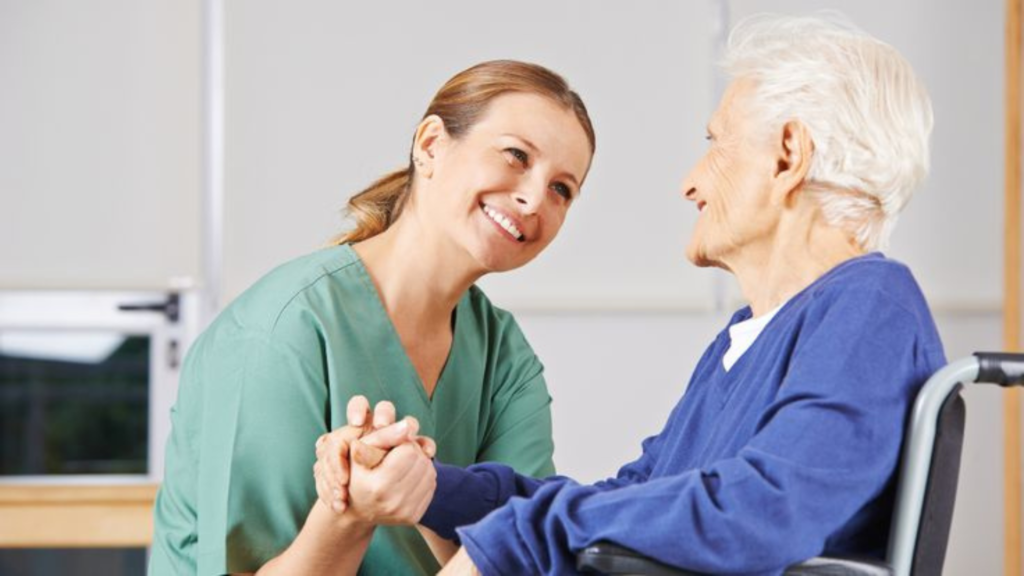
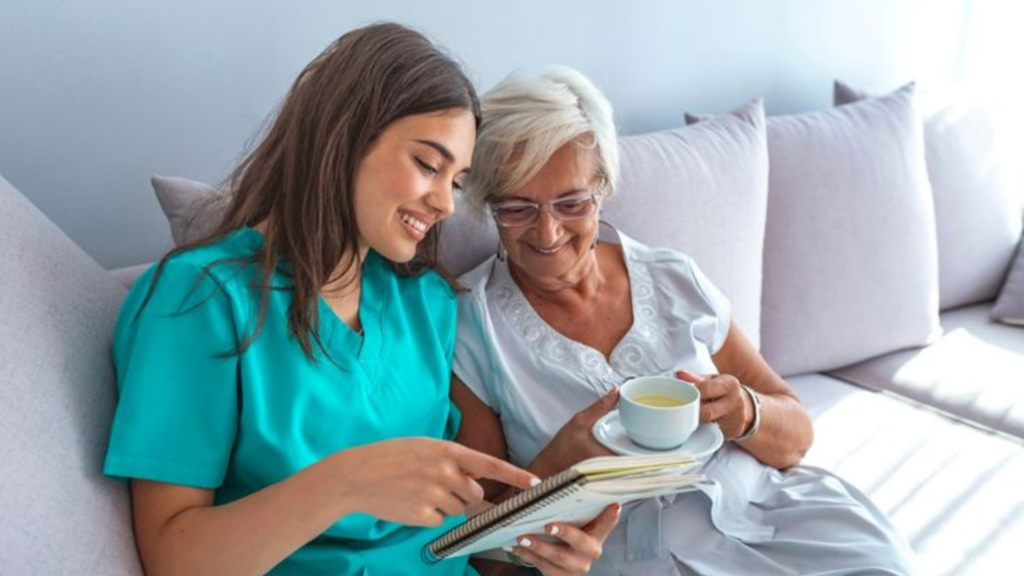
In today’s fast-evolving healthcare landscape, more families are turning to skilled nursing at home to ensure their loved ones receive top-notch medical care without the stress of hospitalization. This approach not only offers convenience but also promotes faster recovery, emotional well-being, and personalized attention. Whether you’re caring for an elderly parent, a chronically ill family member, or someone recovering from surgery, skilled home nursing brings professional medical services right to your doorstep.
This comprehensive guide explores what skilled nursing at home entails, who can benefit, its wide-ranging services, and why it is becoming a preferred option for families worldwide.
1. What Is Skilled Nursing at Home?
Skilled nursing at home refers to professional medical services provided by licensed nurses in a patient’s residence. Unlike general caregiving, which focuses on assistance with daily activities, skilled nursing involves complex medical tasks that must be performed by qualified professionals, such as registered nurses (RNs) or licensed practical nurses (LPNs).
Key Characteristics:
- Administered under the supervision of a physician
- Provided by licensed nursing professionals
- Involves clinical procedures and post-operative care
- May include coordination with therapists and physicians
Skilled nursing at home can be short-term (post-surgery or injury) or long-term (for chronic illness or elder care).
2. Who Needs Skilled Nursing at Home?
Skilled home nursing is suitable for individuals who require professional healthcare services but prefer or need to remain at home. This includes:
- Seniors with chronic illnesses or mobility issues
- Patients recovering from surgery or hospitalization
- Individuals with neurological conditions (e.g., stroke, Parkinson’s)
- People with disabilities needing long-term care
- Terminally ill patients requiring palliative or hospice care
3. Services Provided Under Skilled Nursing at Home
Skilled nurses are equipped to perform a variety of medical tasks, often tailored to the specific needs of the patient. Services typically include:
Medical Monitoring & Assessment
- Vital sign monitoring (blood pressure, heart rate, respiration)
- Regular assessments of health status
- Monitoring chronic conditions like diabetes or heart disease
Medication Management
- Administering oral, intravenous, or injectable medications
- Monitoring for side effects or interactions
- Educating patients and families about medications
Wound Care
- Post-surgical wound management
- Pressure sore and ulcer care
- Dressing changes and infection prevention
Post-Operative Recovery
- Monitoring for complications
- Pain management
- Rehabilitation exercises under supervision
IV Therapy & Injections
- Intravenous medications or fluids
- Nutritional support (TPN)
- Insulin and other subcutaneous injections
Tube Feeding & Catheter Care
- Feeding tube insertion and maintenance
- Urinary catheter insertion, replacement, and care
- Ostomy care
Chronic Disease Management
- Tailored care plans for conditions like COPD, diabetes, and heart failure
- Lifestyle and dietary guidance
- Coordination with primary care providers
4. Advantages of Skilled Nursing at Home
Choosing skilled nursing at home comes with numerous benefits for both the patient and the family. Let’s look at some of the most important ones:
A. Comfort and Familiarity
Being cared for at home allows the patient to remain in a familiar environment surrounded by loved ones. This can significantly reduce anxiety, especially for elderly patients or those with dementia.
B. Personalized Care
Home nursing care plans are customized based on individual needs, medical history, and preferences, resulting in higher patient satisfaction and better outcomes.
C. Enhanced Recovery
Studies show that patients recover faster at home due to lower stress levels, better sleep, and individualized attention.
D. Reduced Risk of Infections
Hospitals and long-term care facilities carry a higher risk of hospital-acquired infections. Home nursing reduces exposure and promotes cleaner, safer recovery conditions.
E. Family Involvement
Families can actively participate in the care process and stay informed about their loved one’s health. Nurses can also train family caregivers on basic care tasks.
F. Cost-Effectiveness
While skilled nursing may seem expensive, it is often more affordable than extended hospital stays or nursing home admission, especially for long-term care.
5. Skilled Nursing vs. General Caregiving
It’s essential to distinguish between skilled nursing and non-medical caregiving:
| Aspect | Skilled Nursing | General Caregiving |
|---|---|---|
| Provider Qualification | Licensed Nurse (RN or LPN) | Trained Caregiver or Aide |
| Services Provided | Medical tasks, medication, wound care, monitoring | Bathing, dressing, meal prep, companionship |
| Supervised By | Physician or Nurse Supervisor | Not always medically supervised |
| Cost | Higher due to medical expertise | Generally lower |
| Purpose | Clinical recovery or chronic illness management | Daily assistance and emotional support |
Often, skilled nursing and caregiving are combined for comprehensive at-home care.
6. Integrating Skilled Nursing into a Holistic Care Plan
For individuals with complex medical conditions, skilled nursing should be part of a broader care coordination strategy. This may involve:
- Primary Care Physician: Oversees general health and makes referrals.
- Physical and Occupational Therapists: Help regain strength and mobility.
- Speech Therapists: Assist with communication and swallowing issues.
- Palliative/Hospice Care Team: For end-of-life support.
- Nutritionists: Develop dietary plans for healing and energy.
A home health care agency typically manages this team, ensuring everyone is on the same page.
7. How to Choose a Skilled Nursing Provider
Choosing the right provider is critical to ensuring quality care. Here’s what to look for:
A. Licensing and Accreditation
Ensure the agency and nurses are licensed by health authorities and meet regulatory standards.
B. Experience and Specialization
Check if they have experience handling specific conditions like Alzheimer’s, cancer, or post-surgical recovery.
C. Availability
For continuous or emergency care, confirm that 24/7 support is available.
D. References and Reviews
Read testimonials, reviews, and ask for references from doctors or past clients.
E. Customizable Care Plans
The agency should offer flexible services tailored to the patient’s changing needs.
8. Technology in Skilled Nursing at Home
With the rise of digital health, many skilled nurses use technology to improve care:
- Telehealth Monitoring: Video check-ins with physicians or specialists.
- Electronic Health Records (EHR): Real-time access to medical history and treatment plans.
- Wearable Devices: Track vital signs and alert nurses to anomalies.
- Mobile Apps: Schedule visits, update family members, and manage medication reminders.
9. Cost and Insurance Coverage
Cost Factors:
- Type and frequency of medical services
- Level of nursing expertise required
- Duration of care (temporary vs. long-term)
Insurance Options:
- Private Insurance: Many plans cover skilled home nursing with prior authorization.
- Medicare/Medicaid: Often cover part or all of the costs if deemed medically necessary.
- Long-Term Care Insurance: Designed specifically for extended home care.
- Out-of-Pocket: May apply when services exceed insurance coverage or eligibility.
It’s wise to consult with the agency’s billing department to clarify all options.
10. Real-Life Impact: Case Studies and Testimonials
Case Study 1: Post-Surgical Recovery
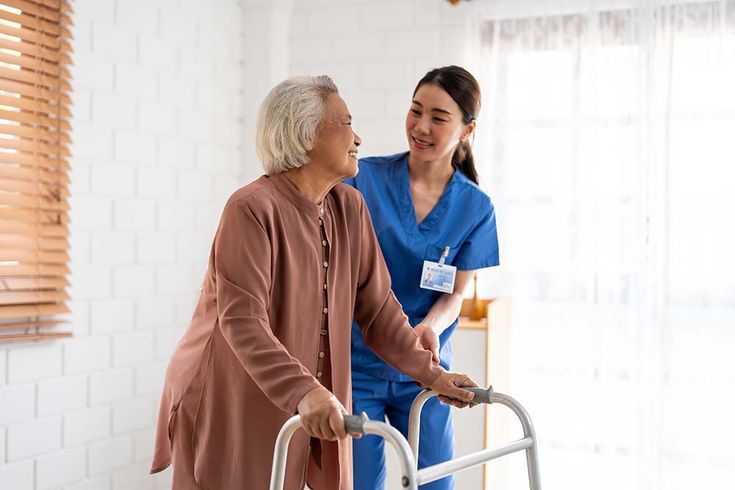
Mrs. Sharma, a 68-year-old woman recovering from hip replacement surgery, received daily wound care, pain management, and mobility support from a skilled home nurse. Her recovery time was reduced by 30%, and she avoided hospital readmission.
Case Study 2: Chronic Disease Management
Mr. Desai, a senior with diabetes and early-stage kidney disease, benefited from weekly nursing visits to monitor vitals, manage insulin, and coordinate lab tests. His blood sugar remained stable, and he maintained independence at home.
11. Conclusion: Empowering Health at Home
Skilled nursing at home is a powerful solution for families seeking high-quality, compassionate medical care without disrupting the comfort and familiarity of home life. With expert nurses providing everything from complex wound care to chronic disease management, patients can recover or thrive in an environment that promotes emotional well-being and holistic health.
Choosing the right home nursing provider ensures that your loved ones receive the care they deserve—safe, professional, and centered around their unique needs.