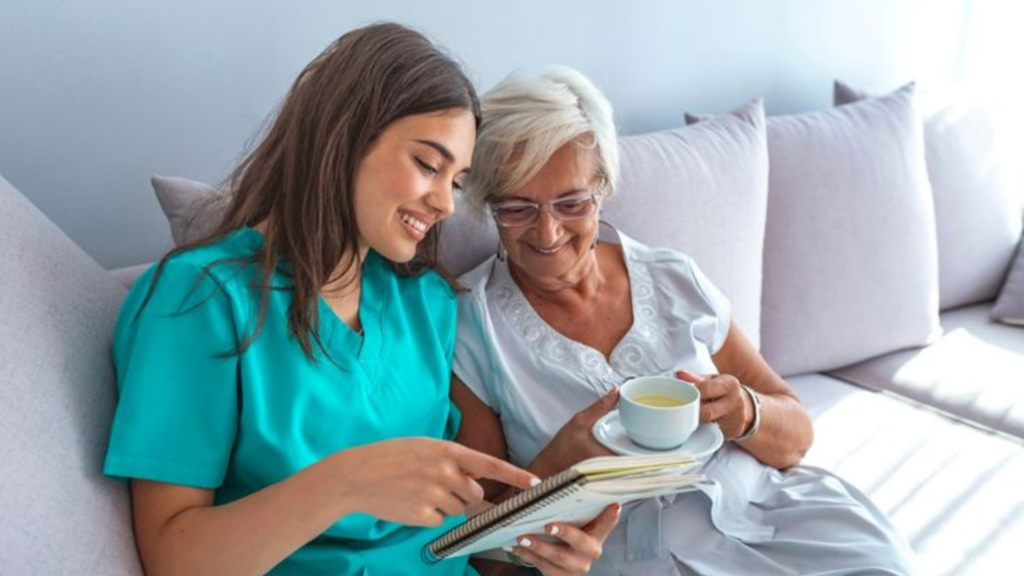
When a loved one is facing a serious illness, families often struggle to find the balance between medical care and emotional support. In-home palliative nursing offers a compassionate bridge—providing professional medical attention while ensuring the patient feels comforted, respected, and heard. Unlike hospital-based care, this approach brings skilled nurses into the patient’s home, delivering tailored, empathetic care during the most vulnerable stages of life.
This blog explores what in-home palliative nursing is, why it matters, how it works, and how families can access this essential service to ensure their loved ones receive the best possible care at home.
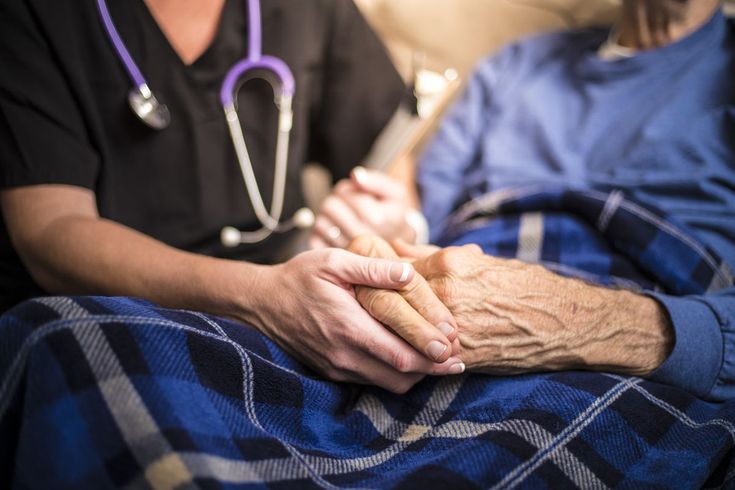
Chapter 1: What Is In-Home Palliative Nursing?
Definition
In-home palliative nursing is a specialized branch of nursing focused on providing comfort-oriented care to patients with life-limiting or chronic illnesses, in the comfort of their own homes. It prioritizes symptom management, emotional support, and quality of life.
Key Components
- Pain and symptom control
- Emotional and psychological care
- Assistance with daily living
- Support for family caregivers
- Coordination with doctors and specialists
Who Can Benefit?
- Terminally ill patients (e.g., cancer, advanced heart failure)
- Seniors with progressive conditions
- Patients with chronic pain or disabilities
- Families needing respite from caregiving
Chapter 2: Why In-Home Palliative Nursing Matters
1. Care in a Familiar Environment
Hospitals can be cold, clinical, and unfamiliar. In-home care ensures that patients receive support in a place where they feel secure, surrounded by family and personal memories.
2. Individualized, One-on-One Attention
Unlike hospital settings where nurses juggle many patients, in-home palliative nurses focus entirely on one patient—adapting care to their unique needs and preferences.
3. Emotional Well-being
Compassionate nurses not only monitor vitals but also talk, listen, and soothe. This emotional presence is critical for patients dealing with anxiety, fear, or depression.
4. Reduces Hospital Visits
Many families want to avoid repeated hospitalizations in the final months of life. Skilled in-home nurses help manage conditions early and coordinate care, minimizing emergency visits.
Chapter 3: The Role of an In-Home Palliative Nurse
1. Medical Duties
- Monitoring symptoms and vitals
- Administering medications and injections
- Managing catheters, IV lines, or feeding tubes
- Coordinating with doctors and palliative teams
2. Emotional & Psychological Support
- Listening to the patient’s concerns
- Providing reassurance and guidance
- Supporting the family’s mental well-being
3. Practical Assistance
- Helping with mobility, bathing, and hygiene
- Educating family caregivers on basic nursing tasks
- Ensuring a safe, accessible home environment
Chapter 4: The Human Side of Palliative Nursing
Building Trust
Compassionate care is not just about tasks—it’s about building relationships. In-home nurses often become extended family members who understand the patient’s routine, preferences, and emotional triggers.
Dignity in the Final Stages
For terminally ill patients, palliative nurses ensure that the dying process is as peaceful and pain-free as possible, preserving dignity and honoring final wishes.
Grief and Bereavement Support
Some palliative nurses continue to support families even after a loved one passes, helping them process grief and access counseling if needed.
Chapter 5: Real-Life Impact: Stories of Compassion
Case Study 1: Comfort for a Terminal Cancer Patient
Mr. Raj, a 67-year-old man with terminal lung cancer, spent his final months at home under the care of a palliative nurse. She not only managed his medications and oxygen support but also read to him, talked him through his fears, and helped his family prepare for his peaceful passing. The family later shared that her presence brought them “calm in the storm.”
Case Study 2: Supporting an Elder with Parkinson’s
Mrs. Fatima, age 82, suffered from advanced Parkinson’s. Her palliative nurse developed a daily care plan that included exercise, medication reminders, and emotional interaction. With this routine, she remained comfortable and mentally sharp for over a year, bringing joy to her grandchildren and husband.
Chapter 6: Benefits for Families
- Relief from Caregiver Burnout
Caring for a loved one 24/7 is emotionally and physically exhausting. In-home palliative nurses offer respite and guidance, giving family members time to rest and recharge.
- Peace of Mind
Knowing that a professional is always nearby, monitoring the condition, and available during emergencies helps families feel secure.
- Stronger Relationships
When families don’t have to take on every task themselves, they can focus on spending meaningful time with their loved ones—talking, reminiscing, laughing.
Chapter 7: What Makes a Palliative Nurse Compassionate?
Key Qualities
- Empathy: Understanding the patient’s emotions and fears
- Patience: Working at the patient’s pace
- Respect: Honoring privacy, dignity, and choices
- Communication Skills: Speaking clearly and gently with both patients and families
- Emotional Strength: Staying composed in emotionally intense moments
Chapter 8: Choosing the Right In-Home Palliative Nurse
What to Look For:
- Certified palliative care training
- Positive reviews or testimonials
- Flexibility with schedules and emergency calls
- Willingness to work collaboratively with doctors
- Cultural and language sensitivity
Questions to Ask:
- What experience do you have with [specific illness]?
- How do you handle pain crises or emotional distress?
- Are you trained in end-of-life care?
- Can you provide support for the whole family?
Chapter 9: Integrating Technology with Compassionate Nursing
Technology enhances care when used with compassion:
- Remote monitoring of vitals
- Telemedicine coordination with doctors
- Apps for medication reminders
- Digital care logs for family updates
The goal is to blend high-touch with high-tech, creating smarter, more responsive care.
Chapter 10: Cost of In-Home Palliative Nursing
Factors That Affect Pricing:
- Location and availability
- Number of hours per day or week
- Level of medical complexity
- Agency vs. independent nurse
Is It Worth It?
While it may be more expensive than basic home help, palliative nursing reduces hospital costs, prevents emergencies, and offers unmatched emotional value.
Chapter 11: Palliative Nursing vs. Hospice Nursing
| Feature | Palliative Nursing | Hospice Nursing |
|---|---|---|
| Timing | Any stage of illness | Last 6 months of life |
| Goal | Comfort + ongoing treatment | Comfort only |
| Location | Home, hospital, or care center | Primarily home |
| Services | Symptom relief + care planning | End-of-life support |
Palliative nursing can begin early in the illness, not just at the end of life.
Chapter 12: Government and NGO Support in India
Many states and cities in India now offer support for home-based palliative care:
- Ayushman Bharat and PMJAY schemes (partial coverage)
- NGOs like CanSupport, Pallium India, and Karunashraya
- State-based hospice or palliative outreach programs
Families should inquire with local health offices or hospitals for referrals.
Conclusion: Caring Where It Counts the Most
In-home palliative nursing is more than just a service—it’s a heartfelt expression of care when families need it the most. It allows patients to live with dignity, die peacefully, and experience love and comfort surrounded by familiar faces and places.
For families navigating serious illness, this model of care brings not just relief but hope, presence, and humanity—reminding us all that the quality of care is just as important as the length of life.