Pain Management at Home is more than just a symptom—it affects every aspect of a person’s life. Whether due to chronic illness, injury, surgery, or age-related conditions, unmanaged pain can disrupt sleep, mood, mobility, and overall quality of life. For many individuals, receiving care at home is preferable to institutional settings. That’s where pain management at home becomes essential.
This blog is a comprehensive guide for families and caregivers looking to provide effective, compassionate, and safe pain relief in the comfort of one’s home. We’ll explore strategies, tools, professional support options, and emotional care needed to bring comfort, care, and control to those living with pain.
Chapter 1: Understanding Pain and Its Types
Acute vs. Chronic Pain Management at Home
- Acute Pain is short-term and usually linked to a specific injury or surgery.
- Chronic Pain persists for more than three months and may be due to conditions like arthritis, nerve damage, or cancer.
Common Causes of Pain at Home
- Post-operative recovery
- Arthritis and joint pain
- Cancer or palliative care needs
- Neuropathic pain (diabetes, spinal injuries)
- Back and neck problems
- Age-related degeneration
Understanding the cause and type of pain is the first step toward effective home-based pain management.
Chapter 2: Why Home Pain Management at Home Matters
1. Comfort of Familiar Surroundings
Being at home reduces stress and anxiety, helping in faster healing and better emotional well-being.
2. Personalized Attention
Care can be tailored to individual needs, including their preferences, daily routine, and comfort.
3. Family Involvement
Family members play a crucial role in providing emotional support and noticing pain triggers or improvements.
4. Cost-Effective
Compared to hospital stays or nursing homes, home care is more economical for long-term pain management.
Chapter 3: Creating a Pain Management Plan at Home
A structured care plan helps ensure consistency and better outcomes. Key elements include:
- Medical evaluation to identify the source and severity of pain.
- Pain tracking with daily logs or mobile apps.
- Medication schedule and reminders.
- Physical and emotional support strategies.
- Clear communication between caregivers, family, and healthcare providers.
Always involve a medical professional in developing the care plan.
Chapter 4: Medication-Based Pain Relief
1. Over-the-Counter (OTC) Medications
- Paracetamol (Acetaminophen)
- Ibuprofen
- Topical creams
2. Prescription Medications
- Opioids for severe or cancer-related pain (under supervision)
- Antidepressants or anticonvulsants for nerve pain
- Muscle relaxants
Safe Use at Home:
- Strict adherence to dosage
- Keep a log of medication times and responses
- Store meds away from children or those with cognitive impairment
Chapter 5: Non-Medication Pain Relief Techniques
1. Physical Therapy at Home
- Stretching and strengthening exercises
- Heat/cold therapy
- Range-of-motion training
- Massage therapy
2. TENS Therapy (Transcutaneous Electrical Nerve Stimulation)
Small electric pulses help block pain signals and promote healing.
3. Acupuncture and Acupressure
Can be administered by trained professionals during home visits.
4. Relaxation Techniques
- Breathing exercises
- Guided imagery
- Progressive muscle relaxation
Chapter 6: Diet and Lifestyle for Pain Relief
- Anti-inflammatory foods: turmeric, ginger, leafy greens, omega-3-rich fish
- Adequate hydration
- Weight management to reduce pressure on joints
- Regular sleep improves pain tolerance
- Avoid triggers like alcohol, smoking, and stress
Chapter 7: Emotional and Psychological Aspects of Pain
Chronic pain isn’t just physical—it affects emotional health. Addressing psychological needs is crucial:
Coping Strategies:
- Counseling or therapy sessions
- Support groups (online or offline)
- Mindfulness and meditation
- Art or music therapy
Family members should provide empathy and active listening without minimizing the person’s pain.
Chapter 8: The Role of Home Care Professionals
Hiring skilled caregivers or nurses can make a major difference. They provide:
- Medication management
- Pain monitoring and reporting
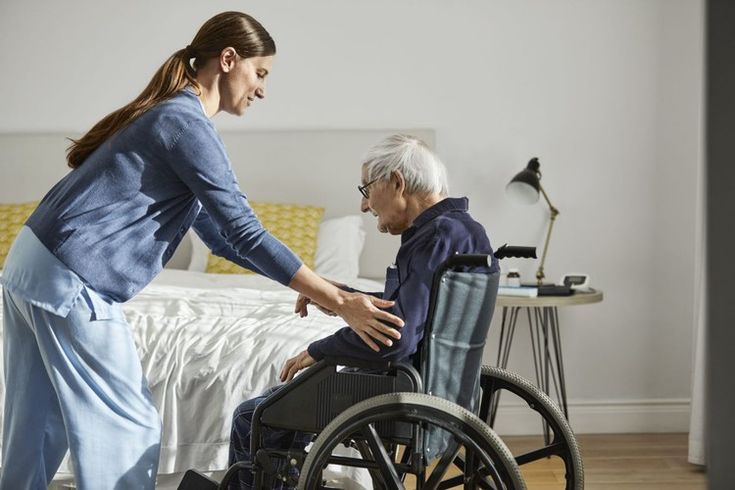
- Physical assistance with mobility
- Wound care
- Emotional companionship
Choose providers trained in pain management, elder care, and palliative support.
Chapter 9: Assistive Devices for Pain Management at Home
- Recliner chairs and adjustable beds
- Mobility aids (canes, walkers, wheelchairs)
- Orthopedic pillows and cushions
- Back or neck braces
- Foot massagers and heating pads
These devices support posture and reduce strain, helping control pain throughout the day.
Chapter 10: Palliative Care and Pain Relief at Home
For patients with life-limiting illnesses like cancer, palliative care at home offers:
- Advanced pain control
- Emotional and spiritual support
- Comfort-focused care
- Counseling for families
- End-of-life preparation with dignity
Pain management is the central focus of palliative home care, aiming to enhance the quality of remaining life.
Chapter 11: Monitoring Pain Progress
Use Tools Like:
- Pain scales (1–10 rating)
- Pain journals
- Apps like PainScale or CareClinic
Keep track of:
- Pain triggers and times of day
- Reactions to medication
- Emotional state
- Sleep patterns
Monitoring helps caregivers and doctors adjust the plan when needed.
Chapter 12: Involving Family in Home Pain Management
Tips for Family Members:
- Stay informed about the condition and pain treatments.
- Learn basic caregiving and emergency response skills.
- Take shifts to avoid burnout.
- Keep communication open and supportive.
- Encourage independence where possible.
Family care, when done with love and awareness, can reduce Pain Management at Home and increase emotional security.
Chapter 13: Common Mistakes to Avoid
- Over-relying on painkillers without doctor’s supervision
- Ignoring emotional aspects of chronic pain
- Delaying professional consultation
- Inconsistent pain tracking
- Using non-prescribed remedies without expert advice
Avoiding these mistakes ensures safety and better pain control.
Chapter 14: Legal and Ethical Considerations
- Ensure prescriptions are valid and administered correctly.
- Respect patient consent and autonomy in pain management decisions.
- If using opioids, follow strict storage and disposal regulations.
- Involve the patient in every step of the care process.
Conclusion: Empowering Relief Through Home-Based Care
Pain Management at Home can feel overwhelming, but with the right combination of medical support, home modifications, emotional care, and family involvement, it can be effectively managed. Home pain management at home is not just about relieving discomfort—it’s about restoring independence, peace, and quality of life.
For families, the journey is not always easy, but with compassion and the right guidance, it becomes a powerful act of love and care.