Palliative Care for Cancer Patients is a complex journey, marked by physical challenges, emotional upheaval, and profound life changes. While curative treatments such as surgery, chemotherapy, and radiation aim to eliminate or control disease, many patients require parallel care that focuses on comfort, symptom management, and emotional well-being. This is where Palliative Care for Cancer Patients plays a vital role—addressing pain, alleviating distress, and ensuring that patients maintain their dignity throughout their cancer journey.
In this comprehensive guide, we explore how palliative care for cancer patients offers a holistic approach, combining medical expertise with compassionate support. We will cover:
- What is palliative care and how it differs from hospice
- Core components of palliative care for cancer
- Benefits for patients and families
- Timing: when to integrate palliative care
- Communication and decision-making
- Managing symptoms and pain
- Emotional, spiritual, and psychosocial support
- Care coordination and interdisciplinary teams
- Palliative care in different settings
- Overcoming barriers and addressing misconceptions
- Real-life case studies
- Resources and next steps
By the end of this blog, families and patients will understand why Palliative Care for Cancer Patients matters and how to access these services to enrich quality of life.
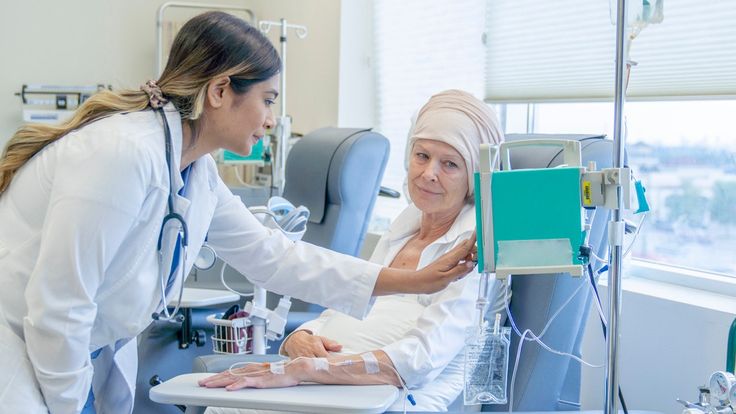
1. What Is Palliative Care?
Palliative Care for Cancer Patients is an interdisciplinary medical specialty designed to ease suffering and improve quality of life for patients with serious illness. It provides relief from symptoms—such as pain, nausea, fatigue, and shortness of breath—and addresses emotional, social, and spiritual needs.
Key distinctions:
- Palliative care vs. hospice care: Palliative care can be provided alongside curative treatments at any stage of illness. Hospice care is a form of palliative care reserved for patients nearing end of life, typically when curative treatment is no longer pursued.
- Goal: Enhance quality of life for both patient and family, rather than solely focusing on disease eradication.
1.1 Historical Context
- Origins in the 1960s, led by Dame Cicely Saunders and the modern hospice movement.
- Evolution into a recognized medical specialty across hospitals and outpatient settings.
2. Core Components of Palliative Care for Cancer
- Symptom Management: Aggressive control of pain, nausea, neuropathy, and other treatment-related side effects.
- Psychosocial Support: Counseling for depression, anxiety, and coping strategies.
- Spiritual Care: Respecting individual beliefs and providing spiritual counseling or chaplain services.
- Advanced Care Planning: Guiding patients through decision-making, directives, and goals-of-care discussions.
- Care Coordination: Collaboration among oncologists, palliative specialists, nurses, social workers, and therapists.
3. Benefits for Patients and Families
3.1 Improved Symptom Control
Effective pain and symptom management can lead to better treatment tolerance, fewer hospitalizations, and enhanced daily functioning.
3.2 Enhanced Quality of Life
Studies show that early palliative care involvement can improve overall well-being, mood, and even survival in certain cancers.
3.3 Emotional and Spiritual Well-Being
Having access to counseling and spiritual support helps patients cope with fear, grief, and existential distress.
3.4 Family Support and Caregiver Relief
Families receive education, respite, and guidance—reducing caregiver burnout and fostering healthier family dynamics.
4. Timing: When to Integrate Palliative Care
- Diagnosis of advanced or metastatic cancer: Early referral recommended within 8 weeks of diagnosis.
- Persistent symptoms despite standard therapies.
- High-risk treatments: Bone marrow transplant, high-dose chemotherapy.
- Frequent hospitalizations or emergency visits.
Proactive vs. reactive referrals: Early palliative care is proactive—anticipated at diagnosis—rather than only reactive when symptoms become severe.
5. Communication and Decision-Making
5.1 Goals-of-Care Conversations
- Explore patient values, hopes, and fears.
- Align treatment plans with patient’s life goals.
5.2 Advanced Directives and POLST Forms
- Document preferences regarding resuscitation, hospitalization, and life-sustaining treatments.
5.3 Family Meetings
- Regular interdisciplinary team meetings with patient and family to review progress and adjust care plans.
6. Managing Symptoms and Pain
6.1 Pain Management
- Pharmacologic: opioids, adjuvant analgesics (antidepressants, anticonvulsants), non-opioid analgesics.
- Non-pharmacologic: physical therapy, massage, acupuncture, relaxation techniques.
6.2 Nausea and Vomiting
- Identify cause: chemotherapy-induced, metabolic, obstruction.
- Use antiemetics (5-HT3 antagonists, NK1 antagonists), dietary modifications, complementary therapies.
6.3 Fatigue
- Energy conservation strategies, exercise programs, treatment of anemia or thyroid dysfunction.
6.4 Dyspnea
- Opioids for breathlessness, oxygen therapy, breathing exercises.
6.5 Neuropathy and Other Chemotherapy Side Effects
- Dose adjustments, adjuvant medications, occupational therapy.
7. Emotional, Spiritual, and Psychosocial Support
7.1 Counseling and Therapy
- Cognitive-behavioral therapy (CBT), supportive psychotherapy.
7.2 Support Groups and Peer Connection
- In-person or virtual groups where patients share experiences and coping strategies.
7.3 Spiritual Care
- Chaplain visits, meditation, mindfulness, life review exercises.
7.4 Social Work Services
- Address financial concerns, access to resources, home modifications.
8. Care Coordination and Interdisciplinary Teams
A robust palliative care team includes:
- Palliative care physicians and nurse practitioners
- Oncology specialists
- Registered nurses
- Social workers
- Chaplains or spiritual counselors
- Physical, occupational, and speech therapists
- Pharmacists
Role of the primary oncologist: Co-manage the patient in partnership with the palliative team to ensure continuity and alignment of treatment goals.
9. Palliative Care in Different Settings
- Inpatient Palliative Care: Consult services for hospitalized patients.
- Outpatient Clinics: Regular follow-up alongside oncology visits.
- Home-Based Palliative Care: Multidisciplinary visits in patient’s residence.
- Telehealth Services: Virtual symptom management, counseling, and coordination.
10. Overcoming Barriers and Addressing Misconceptions
10.1 Misconception: “Palliative Care Means Giving Up”
- Clarify that palliative care is active, supportive, and compatible with curative intent.
10.2 Access Issues
- Insurance coverage, provider shortages, geographic limitations.
- Advocate for policy changes and community programs.
10.3 Cultural and Language Barriers
- Provide culturally competent care, language interpretation services.
11. Case Studies
Case Study A: Early Integration in Lung Cancer
Mr. Kumar, diagnosed with stage IV lung cancer, was referred to palliative care two months after diagnosis. His pain was controlled effectively, depression alleviated, and he maintained daily activities longer than typical benchmarks.
Case Study B: Home-Based Palliative Care for Breast Cancer
Ms. Reddy received weekly home visits from a palliative nurse and social worker. Her quality of life improved, hospital admissions decreased, and her family reported decreased stress.
12. Resources and Next Steps
- National Cancer Institute (NCI): Information on supportive care.
- World Health Organization (WHO): Guidelines on palliative care.
- Local Hospice and Palliative Care Organizations: Find providers near you.
- Patient Advocacy Groups: Communities and financial aid resources.
Action Plan for Families:
- Discuss palliative care options with the oncology team.
- Research local palliative services and insurance coverage.
- Prepare advance directives and designate health care proxy.
- Develop a supportive home environment.
- Stay engaged in ongoing communication with the palliative team.
Conclusion
Palliative care for cancer patients embodies the principles of comfort, support, and dignity. By addressing the physical, emotional, and spiritual dimensions of suffering, palliative care enriches patients’ lives and provides families with the guidance and relief they need. When integrated early and delivered by a compassionate interdisciplinary team, palliative care transforms the cancer journey—making every moment as meaningful and comfortable as possible.