As life nears its final chapters or when chronic illnesses limit mobility and strength, the need for peace and dignity becomes more important than ever. Comfort care at home—often referred to as palliative or supportive care—is designed to provide relief from pain, manage symptoms, and enhance emotional well-being. It is not about curing an illness but about caring for the person wholly: physically, emotionally, and spiritually.
This blog is a comprehensive guide for families seeking to understand comfort care at home, its benefits, services, and how to ensure their loved ones are surrounded by compassion and dignity in every moment.
This blog is a comprehensive guide for families seeking to understand comfort care at home, its benefits, services, and how to ensure their loved ones are surrounded by compassion and dignity in every moment.
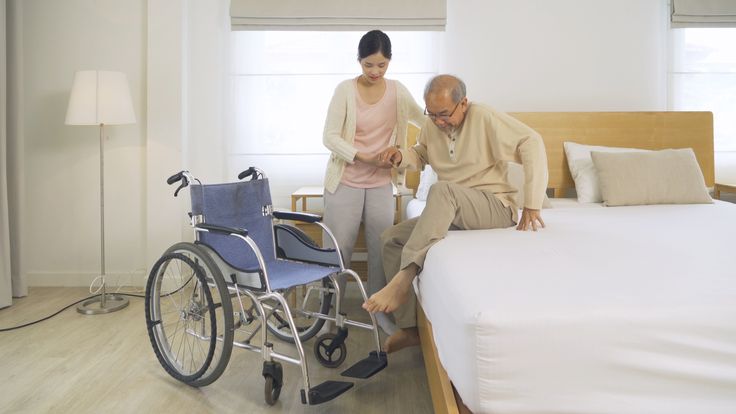
Chapter 1: Understanding Comfort Care
What Does “Comfort Care” Mean?
Comfort care focuses on:
- Relieving pain and symptoms
- Offering emotional and psychological support
- Supporting spiritual and personal wishes
- Providing companionship and peace
It is often introduced for patients:
- In late-stage illnesses
- Recovering slowly with chronic conditions
- Receiving end-of-life care
- In hospice settings or preferring to age at home
Chapter 2: Why Choose Home for Comfort Care
Familiarity Brings Peace
A home environment provides comfort through familiar surroundings, faces, and routines. This emotional security promotes relaxation and minimizes anxiety.
Personalized Attention
Home care is tailored to the individual’s preferences, with flexible routines and one-on-one support that isn’t always possible in hospitals or institutions.
Family Involvement
Families remain close, offering love and presence. At-home care allows for more meaningful conversations, shared memories, and emotional closure.
Chapter 3: The Core Principles of Comfort Care at Home
- Pain Management
- Medications tailored to needs
- Regular assessments
- Gentle repositioning and physical comfort measures
- Symptom Control
- Managing nausea, shortness of breath, fatigue, and restlessness
- Hydration and nutrition support
- Emotional Support
- Listening to fears, anxieties, and concerns
- Offering companionship and empathetic communication
- Spiritual and Cultural Sensitivity
- Respecting traditions, rituals, and beliefs
- Creating opportunities for spiritual peace
- Dignity and Autonomy
- Involving patients in decisions
- Allowing choice in daily routines and care methods
Chapter 4: Services Included in Home Comfort Care
Medical Support:
- Pain relief medication administration
- Symptom tracking and crisis management
- Basic nursing care
Personal Care:
- Bathing, grooming, and dressing
- Meal preparation
- Mobility assistance
Emotional and Psychological Counseling:
- For patients and families
- Grief and bereavement preparation
Spiritual Guidance (if desired):
- Coordinated by clergy or spiritual advisors
- Supporting end-of-life reflections or rituals
Chapter 5: Comfort Care vs. Hospice Care
Comfort Care:
Can begin early in illness, even alongside curative treatments. Focused on quality of life and managing chronic pain or emotional distress.
Hospice Care:
Usually offered in the final 6 months of life, when treatment is no longer pursued. Hospice is a form of comfort care with a specific timeline.
At Home:
Both types can be offered at home, ensuring familiarity, warmth, and privacy.
Chapter 6: Who Provides Comfort Care at Home?
A well-rounded comfort care team may include:
- Home health nurses – skilled in pain and symptom management
- Certified caregivers or aides – assist with daily tasks
- Doctors (on-call or telemedicine) – to oversee care plans
- Social workers – support legal, practical, and family needs
- Spiritual counselors or chaplains – offer inner peace
- Therapists – provide emotional care to patients and families
Chapter 7: Benefits of Comfort Care at Home
1. Improved Emotional Well-Being
Being surrounded by loved ones in a familiar space brings reassurance.
2. Reduced Hospital Visits
Proactive symptom management at home decreases the need for emergency interventions.
3. Empowerment and Control
Patients can choose how they wish to be cared for—promoting dignity and autonomy.
4. Family Peace of Mind
Knowing their loved one is comfortable and respected eases family stress and guilt.
Chapter 8: How Families Can Support Comfort Care
1. Create a Calm Environment
Soft lighting, soothing music, clean linens, and quiet spaces help reduce agitation.
2. Communicate Gently
Speak with kindness, allow silence, and listen deeply.
3. Respect the Patient’s Pace
Whether eating slowly or needing help dressing, patience is essential.
4. Coordinate with the Care Team
Keep a shared notebook or app to track medications, appointments, and symptoms.
Chapter 9: Planning Ahead for Comfort Care
Advanced Care Planning Includes:
- Living wills or advance directives
- Do-not-resuscitate (DNR) orders if desired
- Preferences for cultural or spiritual practices
- Designated family decision-makers
Clear plans bring peace and reduce confusion during critical moments.
Chapter 10: Common Myths About Comfort Care at Home
| Myth | Reality |
|---|---|
| It’s only for dying patients | Comfort care helps anyone with serious illness live better |
| You have to give up hope | Comfort care focuses on quality of life, not giving up |
| It’s just pain meds | It also includes emotional, spiritual, and daily life support |
| Families are on their own | Professional teams work alongside families every step of the way |
Chapter 11: Real-Life Stories of Home Comfort Care
Story 1: Mrs. Lal’s Final Days in Peace
Mrs. Lal, a retired teacher with late-stage cancer, chose home comfort care. Surrounded by her books, family, and favorite music, she passed peacefully with dignity, supported by a dedicated nurse and loving family.
Story 2: Living Fully with Chronic Illness
Mr. Ahmed, 74, had Parkinson’s and recurring chest infections. With regular visits from a home nurse and help with daily routines, he regained emotional strength, enjoyed walks in his garden, and celebrated two more birthdays.
Chapter 12: Emotional Challenges and Support
Caring for a loved one receiving comfort care is emotionally intense. Families often feel:
- Grief and anticipatory loss
- Guilt about decisions
- Exhaustion and burnout
How to Cope:
- Accept support from friends or professionals
- Take breaks—self-care is not selfish
- Attend grief counseling or support groups
- Celebrate small moments and memories
Chapter 13: Affording Comfort Care at Home
Comfort care costs can vary based on services and duration. Possible funding options include:
- Health insurance (public or private)
- Government schemes (India: Ayushman Bharat, Senior Citizen Welfare)
- Palliative care NGOs or charitable organizations
- Hospice programs offering at-home care
Families should request a clear cost estimate and explore free or subsidized services when needed.
Chapter 14: How to Start Comfort Care at Home
Steps to Begin:
- Talk to your doctor or specialist about comfort care needs
- Contact a home care agency specializing in palliative or end-of-life care
- Schedule a home visit and care plan discussion
- Assign roles and responsibilities among caregivers and family
- Ensure medical supplies (bed, oxygen, medications) are arranged
Starting early gives families more time to prepare, adjust, and plan lovingly.
Conclusion: The Gift of Comfort, the Power of Home
Comfort care at home is more than medical support—it is a profound expression of love, dignity, and humanity. It allows patients to remain in control, feel valued, and find peace in their own space. For families, it creates an environment of togetherness, emotional bonding, and meaningful memories.
In every touch, every word, and every quiet moment—comfort care brings peace, support, and dignity. And that, truly, is what every person deserves.