Facing a life-limiting illness or approaching the End-of-Life and Palliative Care at Home is a deeply emotional and personal experience—for both the individual and their loved ones. In such times, many people express a strong desire to spend their final days in the comfort and familiarity of their own home. Home-based end-of-life and palliative care makes this possible, offering compassionate, holistic support that prioritizes comfort, dignity, and peace.
What is Palliative Care?
Palliative care is specialized medical care focused on providing relief from the symptoms, pain, and stress of a serious illness—regardless of the diagnosis or stage. The goal is not to cure but to improve the quality of life for both the patient and their family. It addresses physical, emotional, psychological, and spiritual needs.
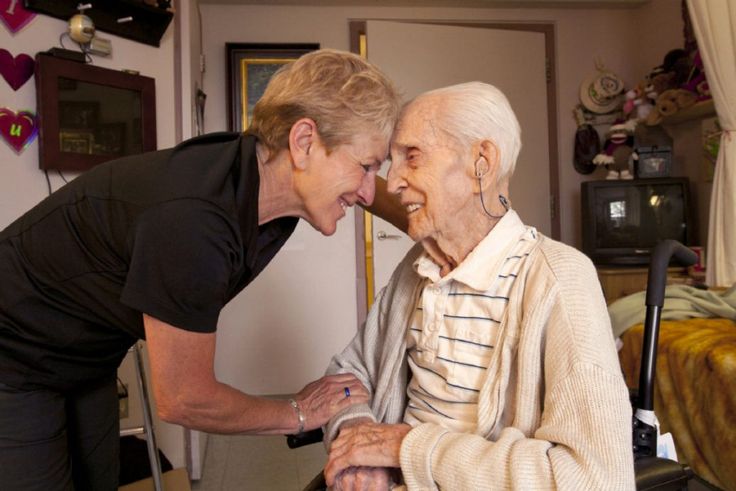
Understanding End-of-Life and Palliative Care at Home
End-of-Life and Palliative Care at Home is a part of palliative care specifically for those in the final weeks or months of life. It focuses on:
- Managing pain and symptoms
- Providing emotional and psychological support
- Ensuring personal comfort and dignity
- Helping families cope and prepare for loss
When provided at home, this care ensures that individuals can live their last days with grace, surrounded by love.
Why Choose End-of-Life and Palliative Care at Home?
- Familiar Environment: Home offers a peaceful and comforting space where patients feel safe and secure.
- Personalized Attention: Unlike hospital care, home care is tailored to individual needs with one-on-one attention.
- Family Involvement: Loved ones can be closely involved in caregiving, offering emotional strength and support.
- Dignity and Autonomy: Patients retain a sense of control over their routine, preferences, and surroundings.
- Holistic Support: From pain management to spiritual guidance, care is designed to nurture the whole person.
Services Included in Home-Based Palliative Care
Palliative and end-of-life home care typically includes:
- Regular visits by nurses and trained caregivers
- Pain and symptom management
- Help with daily activities (bathing, dressing, feeding)
- Medication supervision
- Counseling for the patient and family
- Coordination with doctors and hospice services
- Emotional, spiritual, and grief support
Supporting Families Through the Journey
Family members often carry the emotional burden of caregiving. Home palliative care services also focus on supporting caregivers—educating them, offering respite, and providing counseling to ease stress, guilt, or grief.
When is the Right Time to Start Palliative Care?
Many people mistakenly believe that palliative care is only for the final days. In reality, it can begin at any stage of a serious illness, helping to manage discomfort and maintain a higher quality of life.
If a loved one is:
- Experiencing frequent hospital visits
- Struggling with symptoms that are hard to manage
- Expressing the wish to stay at home
- Emotionally distressed or in spiritual pain
…it may be time to consider palliative support.
Choosing the Right Home Care Provider
When selecting a provider for palliative and end-of-life care at home, look for:
- Experienced and compassionate caregivers
- 24/7 availability in case of emergencies
- Personalized care plans
- Positive testimonials from families
- Cultural and spiritual sensitivity
A reliable provider will walk with you through every step, ensuring comfort, clarity, and compassionate care.
Conclusion: Peaceful Living Until the End
End-of-life and palliative care at home allows individuals to face their final chapter with dignity, comfort, and peace—surrounded by loved ones in a familiar space. It also gives families the precious gift of time, presence, and closure.
FAQ
Q1.What is the difference between palliative care and end-of-life care?
Palliative care can begin at any stage of a serious illness to manage symptoms and improve quality of life. End-of-life care is a type of palliative care focused specifically on individuals nearing the final stages of life.
Q2.Can palliative care be provided at home?
Yes, palliative care can be provided at home by trained nurses and caregivers. It includes pain relief, emotional support, assistance with daily activities, and coordination with medical professionals.