When to offer palliative care is an essential aspect of healthcare for people facing serious or life-limiting illnesses. Yet, many families and even patients themselves don’t always know when it’s the right time to begin. Understanding when to offer palliative care can make a significant difference in a person’s quality of life, providing relief from symptoms, emotional support, and guidance during complex medical decisions.
In this blog, we’ll explore what palliative care really means, when it should be offered, and how it supports both patients and their loved ones.
What Is Palliative Care?
When to offer palliative care is specialized medical care focused on providing relief from the symptoms and stress of a serious illness—whatever the diagnosis. The goal is to improve the quality of life for both the patient and their family. It is not limited to end-of-life situations and can be provided alongside curative treatments.
Common conditions where palliative care is helpful include:
- Cancer
- Advanced heart disease
- Chronic obstructive pulmonary disease (COPD)
- Kidney failure
- Neurological conditions like Parkinson’s or Alzheimer’s
- Stroke or post-stroke complications
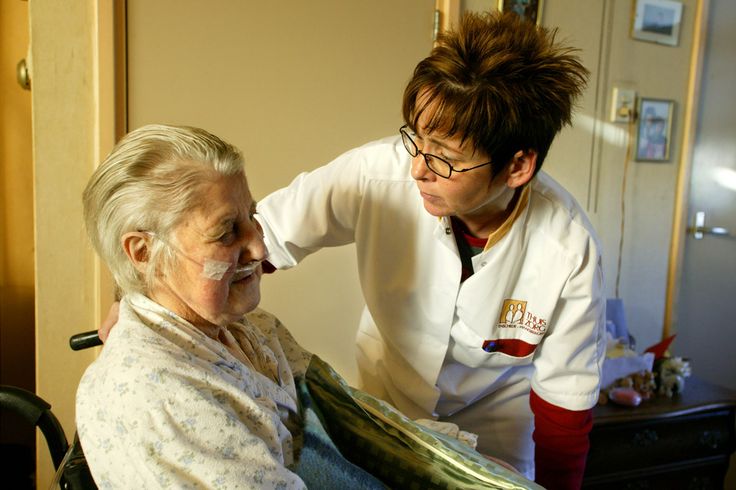
When Should Someone Be Offered Palliative Care?
When to offer palliative care should be introduced as early as possible in the course of a serious illness. Unfortunately, it is often misunderstood as being synonymous with hospice care or only appropriate when all treatment options are exhausted.
Here are key signs it may be time to consider palliative care:
1. Frequent Hospitalizations or ER Visits
If a patient is often admitted to the hospital due to worsening symptoms or complications, palliative care can help manage these issues more effectively at home or in outpatient settings.
2. Chronic Pain or Other Distressing Symptoms
Palliative care experts specialize in managing pain, breathlessness, fatigue, nausea, and other symptoms that impact daily life.
3. Emotional or Psychological Distress
Serious illness often brings anxiety, depression, or fear—for both patients and families. Palliative care includes emotional and spiritual support to help navigate these challenges.
4. Progressive Decline in Functioning
If the patient is losing independence, becoming bedridden, or needing more assistance with daily activities, palliative care can support caregivers and maintain dignity.
5. Uncertainty About Treatment Choices
When medical decisions become complicated or confusing, palliative care teams provide clarity, helping patients understand their options and make choices that align with their values.
Palliative Care Is Not Giving Up—It’s Choosing Comfort and Control
Choosing palliative care doesn’t mean stopping treatment or giving up hope. In fact, studies show that early palliative care improves quality of life, may extend survival, and often leads to better outcomes for both patients and caregivers.
It works alongside your current doctors, focusing on what matters most to you—whether that’s staying at home, attending a family event, or simply being pain-free.
How to Access Palliative Care
Palliative care can be provided:
- At home
- In hospitals
- In outpatient clinics
- In nursing homes or assisted living facilities
If you think you or your loved one could benefit, ask your healthcare provider for a referral to a palliative care team.
Conclusion
Knowing when to offer palliative care can be life-changing. If you or someone you love is dealing with a serious illness and experiencing symptoms that affect quality of life, it may be time to explore palliative support. It’s never too early to ask for help, and you don’t have to face this journey alone.
Frequently Asked Questions (FAQs)
Q1: Is palliative care the same as hospice care?
A: No. Palliative care can begin at diagnosis and continue alongside curative treatment. Hospice care is for patients who are nearing the end of life and are no longer pursuing curative treatment.
Q2: Who provides palliative care?
A: Palliative care is delivered by a team that may include doctors, nurses, social workers, counselors, and spiritual care providers.
Q3: Can palliative care be provided at home?
A: Yes. Many services offer home-based palliative care, especially helpful for patients who prefer to remain in familiar surroundings.
Q4: How is palliative care paid for?
A: Palliative care is often covered by health insurance, Medicare, or Medicaid. It’s best to check with your provider for specific coverage.