As life nears its natural end, every moment becomes precious. For individuals facing terminal illnesses or advanced age, the ability to spend their final days in familiar surroundings, surrounded by loved ones, can be a profound source of comfort and peace. End-of-life care at home is a compassionate approach that focuses on comfort, dignity, and quality of life, rather than curative treatments.
In this blog, we explore everything you need to know about end-of-life care at home — from what it includes and who provides it, to emotional and spiritual support, costs, and how families can prepare.
What Is End-of-Life Care at Home?
End-of-life care at home refers to the support and medical care provided to individuals who are in the final stages of life. It typically applies to people with terminal conditions such as advanced cancer, heart failure, chronic lung disease, or late-stage dementia, where curative treatments are no longer effective.
The goal is not to cure, but to provide comfort (palliative care) — managing pain and symptoms, ensuring emotional well-being, and respecting the person’s dignity and wishes during their final days.
Key Components of End-of-Life Care at Home
- Pain and Symptom Management
Nurses and doctors work together to control physical pain, breathlessness, nausea, restlessness, and other discomforts. Medications are often prescribed to ensure the person remains as pain-free as possible. - Personal and Nursing Care
Home care professionals help with bathing, dressing, toileting, and mobility. Skilled nurses may also assist with wound care, administering injections, or using medical equipment. - Emotional and Psychological Support
End-of-life care recognizes the deep emotional challenges of dying. Counselors, social workers, and spiritual advisors offer comfort to both the patient and their family. - Family Support and Respite
Families are often the primary caregivers. Home care includes respite services, allowing family members time to rest and recharge while professionals take over for a few hours or days. - Coordination of Care
Doctors, nurses, home aides, and counselors work together with the family to ensure seamless communication and aligned care goals. - Spiritual and Cultural Support
Respecting a person’s beliefs, rituals, and end-of-life wishes is central to dignified care. This may include prayer support, last rites, or culturally sensitive practices.
Why Choose End-of-Life Care at Home?
1. Comfort and Familiarity
The home environment provides peace and comfort. Being surrounded by familiar sights, smells, and people can help reduce anxiety and provide emotional reassurance.
2. Personalized Care
Unlike hospitals or care facilities, care at home can be deeply personalized — tailored to the patient’s preferences, habits, and lifestyle.
3. Family Presence
Loved ones can be present without time limits or visiting hours. This constant presence is often incredibly meaningful to both the patient and the family.
4. Preserving Dignity
At home, patients have more control over their daily routines and privacy. This autonomy reinforces a sense of dignity in their final days.
5. Cost-Effectiveness
In many cases, home-based end-of-life care is more affordable than long hospital stays or hospice facilities, especially when factoring in accommodation, transport, and meal costs.
Who Provides End-of-Life Care at Home?
Depending on the needs, a multidisciplinary team may be involved:
- Doctors and Palliative Care Specialists: Oversee medical treatment and symptom management.
- Home Care Nurses: Provide skilled care such as pain management, dressing wounds, and administering medication.
- Home Health Aides: Help with daily living activities like bathing, dressing, and feeding.
- Counselors or Psychologists: Offer mental and emotional support to both patient and family.
- Spiritual Care Providers: For religious guidance, rituals, or simply peaceful companionship.
- Social Workers: Help navigate services, finances, and legal documents (like advance directives).
How to Prepare Your Home for End-of-Life Care
Creating a supportive, comfortable environment is key. Here’s how to prepare:
1. Designate a Quiet Space
Choose a room with natural light, minimal noise, and easy access to a bathroom.
2. Arrange Medical Equipment
This may include a hospital bed, oxygen supply, walker, or wheelchair — your care team will guide you.
3. Ensure Comfort
Soft pillows, familiar blankets, family photos, or favorite scents can help ease anxiety.
4. Maintain Hygiene and Safety
Hand sanitizers, clean linens, and safety rails are important. Maintain a clutter-free space to avoid accidents.
5. Plan for Emergency Contacts
Keep contact numbers for doctors, nurses, and emergency services visible and easily accessible.
The Emotional Journey of Families and Caregivers
Caring for a loved one at the end of life is deeply emotional. Family members may experience:
- Grief and Anticipatory Loss: Mourning starts before the actual loss.
- Fatigue and Burnout: Physical and emotional exhaustion is common.
- Guilt and Doubt: Wondering if you’re doing enough is normal.
- Helplessness: Watching a loved one decline can be painful.
💡 What Helps:
- Counseling and Support Groups
- Daily Check-Ins by Nurses
- Taking Breaks (Respite Care)
- Accepting Help From Friends and Community
How Long Does End-of-Life Care Last?
This care can range from a few days to several months, depending on the patient’s condition. It’s based on individual needs and how the illness progresses.
Doctors may recommend starting palliative care early — even when the patient is still mobile and communicative — to ease the journey over time and offer ongoing support.
The Role of Hospice in End-of-Life Home Care
Hospice is a specialized branch of palliative care meant specifically for patients nearing death (typically with a life expectancy of 6 months or less). When provided at home, hospice teams work alongside family members to offer:
- 24/7 emergency support
- Pain and symptom control
- Bereavement support after passing
- Medication and equipment delivery
Hospice care at home honors the philosophy of “dying with dignity” in the comfort of one’s surroundings.
Legal and Practical Considerations
✍️ Advance Directives
Ensure that the patient’s wishes regarding treatments, resuscitation (DNR orders), and final arrangements are documented.
💊 Managing Medication
Keep a log of medicines, dosages, and timings. Store pain relief medicines securely but accessibly.
📁 Legal Documents
Keep ready:
- Medical reports
- Insurance policies
- Identity documents
- Death registration information
💸 Costs and Insurance
Speak with your care provider about what is covered under insurance, and what must be paid out-of-pocket. Some services are fully or partially reimbursed under certain plans.
After the Passing: Support for Families
Grief doesn’t end when life does. Home care agencies often offer:
- Grief counseling and mental health support
- Help with death certification
- Assistance in arranging last rites or memorials
- Bereavement support groups
Many families say the home environment made the experience less clinical and more loving, leaving them with peaceful closure and precious final memories.
Choosing the Right End-of-Life Care Provider
When selecting a provider for home-based end-of-life care, consider:
- Experience in palliative or hospice care
- 24/7 availability
- Positive reviews or references
- Compassionate staff trained in elderly and terminal care
- Affordable and flexible care packages
- Support for emotional, legal, and spiritual needs
Don’t hesitate to ask questions and interview the care team beforehand. It’s a decision that affects the comfort of your loved one in their final chapter.
Final Words: Dying with Dignity Is a Gift We Can Give
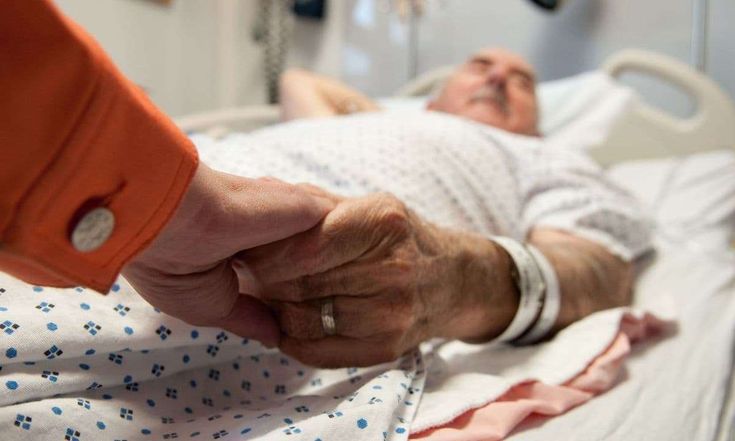
End-of-life care is about much more than medicine. It’s about presence. Compassion. Soft-spoken words. Holding a hand. Providing comfort in a world that can feel confusing and painful.
When provided with sensitivity and respect, end-of-life care at home offers one final gift — the chance for someone to leave this world feeling loved, peaceful, and whole.