When someone is facing a serious or life-limiting illness, comfort, dignity, and support become more important than ever. Home-based palliative care model offers a compassionate alternative to hospital-based care, allowing patients to remain in familiar surroundings while receiving the medical and emotional support they need. But what makes a home-based palliative care model truly effective?
In this blog, we explore the essential elements that define a high-quality home-based palliative care approach—and how it brings peace of mind to both patients and their families.
What Is Home-Based Palliative Care?
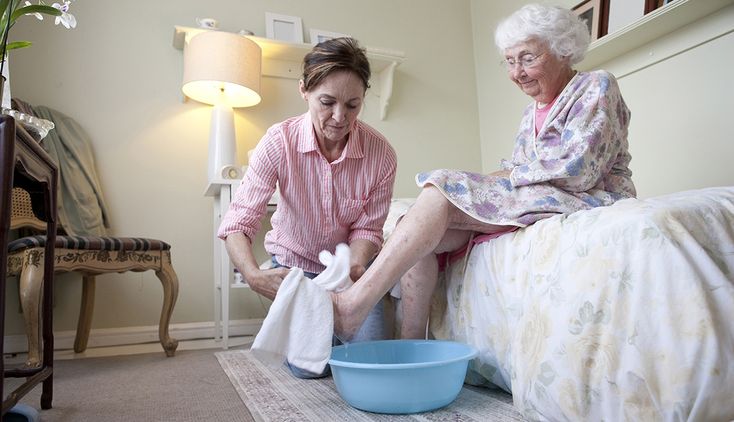
Home-based palliative care is a specialized form of medical care focused on improving the quality of life for patients with serious illnesses. Unlike curative treatment, palliative care focuses on relief from pain, symptoms, and emotional distress, and it can be provided alongside curative therapies or as a stand-alone approach.
The key difference? It’s delivered at home, where patients are most comfortable.
Essential Elements of a Home-Based Palliative Care Model
1. Patient-Centered Care
At the heart of any successful palliative care model is personalized care tailored to the individual’s medical, emotional, cultural, and spiritual needs. A comprehensive assessment ensures that treatment goals align with the patient’s values and preferences.
Key aspects include:
- Respect for patient autonomy and dignity
- Involvement in decision-making
- Customized care plans
2. Interdisciplinary Care Team
Effective palliative care is not the work of one person—it’s a team effort. A collaborative team typically includes:
- Palliative care doctors and nurses
- Social workers and counselors
- Physiotherapists or occupational therapists
- Spiritual care providers
This interdisciplinary model ensures holistic support, addressing physical, psychological, and emotional needs.
3. Symptom and Pain Management
Managing pain and distressing symptoms is central to palliative care. This includes:
- Pain relief through medications or therapies
- Management of fatigue, breathlessness, nausea, anxiety, and insomnia
- Non-pharmacological approaches like massage, music therapy, or guided breathing
Goal: Maximize comfort while minimizing side effects.
4. 24/7 Availability and Emergency Support
Illness doesn’t follow a 9–5 schedule. That’s why high-quality home-based models offer:
- Round-the-clock phone support
- On-call nursing or physician services
- Rapid response for medical crises
Peace of mind for families comes from knowing help is always available.
5. Family and Caregiver Support
Palliative care supports not just the patient, but their loved ones too. This includes:
- Education and training for caregivers
- Emotional counseling and bereavement support
- Respite care to give family caregivers a break
Empowering caregivers strengthens the entire care system.
6. Advance Care Planning
This proactive approach involves discussing and documenting the patient’s wishes for:
- Future medical treatment
- Life-sustaining interventions
- Preferred place of care (often at home)
Advance care planning ensures respect for the patient’s voice—even when they can no longer speak for themselves.
7. Coordination and Continuity of Care
A well-structured model ensures smooth transitions between:
- Hospitals and home
- Specialist and primary care teams
- Various services like labs, pharmacies, or rehab support
Goal: Seamless, uninterrupted care that prevents unnecessary hospitalizations.
8. Culturally Sensitive and Spiritual Care
Caring for the spirit is as important as caring for the body. A robust model will:
- Respect cultural practices and end-of-life rituals
- Offer access to chaplains or spiritual advisors
- Create space for reflection, prayer, or meaningful conversation
Conclusion: A Model of Dignity, Compassion, and Control
The essential elements of a home-based palliative care model combine medical excellence with deep humanity. By delivering care in the comfort of home, this model empowers patients to live their final days with comfort, dignity, and choice.
Whether you’re a family member seeking guidance or a healthcare provider looking to build a better support system, understanding these core components can help create meaningful, person-centered care when it’s needed most.
FAQ
Q1. What is a home-based palliative care model?
A: A home-based palliative care model provides medical and emotional support for patients with serious or terminal illnesses in the comfort of their own home. It focuses on symptom relief, quality of life, and support for both patients and their families.
Q2. Who can benefit from home-based palliative care?
A: Patients with chronic or life-limiting illnesses such as cancer, heart failure, advanced dementia, or kidney disease can benefit, especially when they prefer to stay at home rather than in a hospital.
Q3. What services are included in home-based palliative car
A: Services typically include pain and symptom management, nursing care, physician visits, counseling, spiritual care, caregiver support, and 24/7 emergency assistance.
Q4. How is home-based palliative care different from hospice care?
A: While both focus on comfort, palliative care can be provided at any stage of a serious illness, alongside curative treatment. Hospice care is typically reserved for patients with a prognosis of six months or less and who are no longer pursuing curative treatments.
Q5. Is home-based palliative care covered by insurance?
A: Many health insurance plans, including government schemes, offer coverage for home-based palliative care. It’s best to check with your provider or the palliative care agency for specifics.