When a loved one is diagnosed with a terminal illness, the emotional and physical toll on both the patient and their family can be overwhelming. Choosing the right care during this stage is crucial—not only for medical reasons but also to ensure comfort, dignity, and emotional well-being. While hospitals offer intensive treatment, many families are now opting for terminal illness care at home. This approach allows patients to spend their final days in a familiar, peaceful environment, surrounded by those they love.
In this comprehensive guide, we’ll explore everything you need to know about terminal illness care at home, including its benefits, available services, emotional support, caregiver roles, and how to get started.
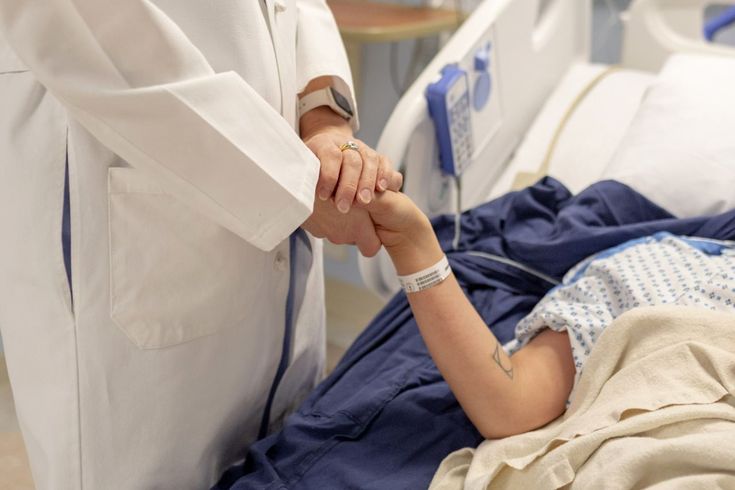
1. What Is Terminal Illness Care at Home?
Terminal illness care is designed for patients who have been diagnosed with a life-limiting condition for which curative treatment is no longer effective or available. It focuses on comfort, pain management, and emotional support, rather than on curing the illness.
When delivered at home, this care provides an alternative to hospital or hospice settings, giving patients the chance to stay in their own space while receiving compassionate and professional assistance. Services may include:
- Pain and symptom management
- Emotional and psychological support
- Assistance with daily activities
- Coordination with healthcare providers
- End-of-life planning
2. The Importance of Home-Based Care for Terminal Illness
Comfort and Familiarity
The home is a sanctuary for most people. Being in a familiar space can greatly reduce stress and anxiety for terminally ill patients.
Family Presence
At home, patients can enjoy the company of their loved ones without the restrictions often found in institutional settings. This presence can be immensely comforting in their final days.
Dignity and Personalization
Home care allows more autonomy and personal choice. Patients can maintain routines, choose who they want around, and live their final days on their own terms.
3. Key Components of Terminal Illness Home Care
A. Palliative Care Services
Palliative care focuses on managing pain, nausea, fatigue, and other symptoms. Home-based palliative care teams typically include nurses, doctors, and pain management specialists.
B. Skilled Nursing
Skilled nurses can administer medications, monitor vital signs, and provide wound care or injections—all from the comfort of home.
C. Personal Care Assistance
Caregivers assist with hygiene, bathing, dressing, feeding, and mobility support.
D. Counseling and Emotional Support
Patients and family members often need help coping emotionally. Many home care services include grief counseling, spiritual care, and mental health support.
E. Respite Care
This service gives family caregivers a break by having professionals step in for a few hours or days, allowing caregivers to rest or attend to other responsibilities.
4. Benefits of Choosing Home Care for Terminal Illness
1. Enhances Quality of Life
Home care shifts the focus from illness to living well. Patients can enjoy personal comforts like pets, their favorite foods, and the presence of loved ones.
2. Encourages Open Communication
A relaxed home setting allows for deeper conversations between patients and their families—essential for emotional closure.
3. Greater Flexibility
Schedules for visits, treatments, and daily routines are more flexible than in hospitals.
4. Cost-Effective
Home care can be more affordable than extended hospital stays, especially for families without comprehensive insurance.
5. Emotional and Psychological Support
Caring for a terminally ill patient is not only a physical responsibility but also an emotional journey. It’s crucial to:
- Acknowledge the patient’s feelings: Allow them space to express fear, sadness, or anger.
- Practice active listening: Let them share memories, regrets, or hopes.
- Offer reassurance: Affirm that they’re not alone and that their wishes matter.
- Encourage life review: Talk about past experiences and cherished moments—it can be healing.
6. The Role of Family Caregivers
Family caregivers are the backbone of home care. Their responsibilities often include:
- Managing medications
- Coordinating with doctors
- Feeding and hygiene support
- Providing emotional comfort
- Keeping the environment safe and clean
Caregiver burnout is real and must be taken seriously. Encourage caregivers to:
- Take regular breaks
- Accept help from others
- Talk to professionals if needed
- Join caregiver support groups
7. Creating a Home Environment for Care
Making the home a safe and comfortable space is essential:
- Install grab bars and anti-slip mats
- Ensure wheelchair accessibility if needed
- Place hospital beds or medical recliners in central areas
- Keep medications and emergency numbers within easy reach
- Use soft lighting and play calming music
Adding personal touches like family photos, favorite blankets, or cherished items can also provide emotional warmth.
8. When to Transition to Hospice Care
While terminal illness care at home is ideal for many, there may come a time when hospice care becomes necessary—especially if the patient’s symptoms are too complex to manage at home. Hospice can be provided at home or in a dedicated facility, with a strong focus on palliative support and comfort.
Signs that hospice might be appropriate include:
- Frequent hospital visits
- Uncontrolled pain or symptoms
- Rapid physical decline
- Emotional exhaustion of caregivers
Consulting a healthcare provider can help determine the best path forward.
9. Cultural and Spiritual Considerations
Terminal illness care should respect cultural traditions, religious beliefs, and spiritual needs. This might involve:
- Involving spiritual advisors (priests, imams, gurus, etc.)
- Following end-of-life rituals
- Respecting dietary or lifestyle choices
- Holding prayer meetings or family gatherings at home
Culturally competent care helps patients and families feel seen, respected, and supported.
10. How to Arrange Terminal Illness Home Care
Step 1: Consult a Doctor
Discuss the diagnosis, prognosis, and care options with the primary physician.
Step 2: Choose a Care Agency
Look for licensed agencies that specialize in palliative or terminal care. Check reviews, certifications, and staff qualifications.
Step 3: Create a Care Plan
Work with professionals to develop a care plan that outlines medications, schedules, roles, and emergency protocols.
Step 4: Organize Finances
Understand costs and explore options such as:
- Health insurance
- Government schemes
- NGO support
- Donations or crowdfunding if needed
Step 5: Prepare the Home
Get necessary equipment, medications, and supplies. Train family members on basic care procedures if needed.
11. Real-Life Stories: Families Who Chose Home Care
Case Study 1: Rekha’s Father in Lucknow
Rekha opted for terminal care at home for her father, who had advanced cancer. With help from trained nurses, she transformed their guest room into a healing space filled with his favorite books and music. He passed peacefully, surrounded by his children.
Case Study 2: Arif’s Grandmother in Kanpur
Arif’s family respected their grandmother’s wish to die at home. With support from a local palliative care agency, she received expert nursing and emotional support. The family says it helped them find closure and peace.
12. Common Challenges and How to Overcome Them
| Challenge | Solution |
|---|---|
| Managing complex symptoms | Hire a trained nurse or consult a palliative care doctor |
| Emotional stress | Seek counseling or support groups |
| Sleep disruptions | Adjust caregiving shifts; use soothing techniques |
| Financial worries | Explore government and nonprofit support options |
13. The Role of Technology in Home Care
Technology is making home care more effective:
- Telemedicine: Consult doctors virtually for updates or emergencies
- Medical Alert Systems: Devices that notify caregivers in case of falls or irregular vitals
- Care apps: Track medications, appointments, and symptom progress
- Smart home devices: Voice assistants, security cams, and reminders improve daily functioning
14. After the Patient Passes: Grief and Healing
Losing a loved one is deeply painful. After a death at home, steps include:
- Notifying the doctor and obtaining a death certificate
- Performing religious or legal procedures
- Informing extended family and friends
- Taking time to grieve—there’s no timeline for healing
Many find comfort in:
- Writing letters or journals
- Speaking to grief counselors
- Attending remembrance events or prayer meetings
- Creating memory albums or planting trees in the loved one’s honor
Conclusion
Terminal illness care at home is a powerful way to offer your loved one compassion, dignity, and comfort during their final chapter. Though emotionally challenging, it provides an opportunity to celebrate life, share love, and say goodbye in a space that’s truly theirs.