Palliative Home Nursing Services When faced with a life-limiting or chronic illness, the goal of care often shifts from curing the disease to maximizing comfort, dignity, and quality of life. This is where palliative home nursing services play a critical role. By combining clinical expertise with compassionate support, these services bring relief, comfort, and personalized care directly to the patient’s home—a familiar, soothing environment where healing and peace can coexist.
In this blog, we explore how palliative home nursing services enhance the quality of life for patients and families, the types of services offered, the role of trained nurses, and why this approach is becoming an essential part of modern healthcare.
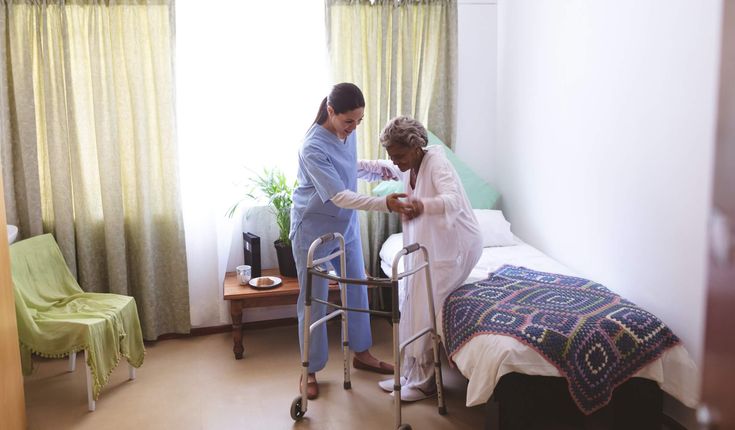
What Are Palliative Home Nursing Services?
Palliative home nursing services refer to medical care delivered by trained nurses in a patient’s home, focusing on relieving symptoms, managing pain, and supporting the emotional, psychological, and spiritual needs of individuals with serious or terminal illnesses.
Unlike curative treatments, Palliative Home Nursing Services centers on comfort. Home-based nursing adds another layer of convenience and emotional well-being by bringing expert care to the doorstep—allowing patients to remain in their most comfortable environment surrounded by loved ones.
Who Needs Palliative Home Nursing Services?
These services are beneficial for:
- Patients with advanced cancers
- Individuals with heart failure, COPD, or kidney disease
- Elderly patients with multiple chronic conditions
- Those with neurological diseases like Parkinson’s or Alzheimer’s
- Patients requiring end-of-life care at home
Palliative Home Nursing Services supports both patients and families as they navigate complex health conditions with dignity and compassion.
Benefits of Palliative Home Nursing Services
1. Personalized, One-on-One Care
Unlike hospitals where one nurse attends to several patients, home nursing provides focused, individualized attention. Nurses create customized care plans tailored to the patient’s needs, preferences, and evolving health status.
2. Pain and Symptom Management
One of the core goals of palliative care is to relieve suffering. Home nurses are trained in:
- Administering pain medication
- Monitoring for side effects
- Managing symptoms like nausea, breathlessness, and fatigue
- Using non-pharmacological methods for comfort
They ensure patients experience as little distress as possible—both physically and emotionally.
3. Emotional and Psychological Support
Living with a chronic illness can be emotionally overwhelming. Palliative nurses provide:
- Emotional reassurance and companionship
- Counseling and coping strategies
- Communication support with doctors and family
- Encouragement during moments of doubt or distress
Their presence often brings a sense of calm and safety to patients and caregivers alike.
4. Care in a Familiar Environment
Being at home boosts a patient’s sense of security and control. It allows:
- Better sleep and relaxation
- Freedom from hospital routines
- Visits from family and friends on their own schedule
- Participation in daily life, even in small ways
This familiarity enhances emotional well-being and supports mental health.
5. Family Involvement and Guidance
Family members are essential caregivers. Home nursing empowers them by:
- Teaching safe care techniques (e.g., how to administer medicine or change dressings)
- Offering respite so caregivers can rest
- Helping with difficult decisions and care planning
- Being a source of encouragement during emotionally difficult moments
This shared care model strengthens family bonds and improves the overall support system.
6. Reduced Hospital Visits
Frequent hospital trips can be exhausting and stressful. Palliative home nursing minimizes the need for:
- Emergency room visits
- Pain crises that lead to hospital admissions
- Unnecessary diagnostic tests
Instead, nurses manage conditions proactively and recognize early warning signs before they escalate.
7. Continuity and Coordination of Care
Palliative nurses act as care coordinators. They:
- Communicate with doctors, therapists, and specialists
- Help organize follow-up appointments or lab tests
- Ensure care is seamless across services
- Maintain thorough documentation for ongoing treatment plans
This continuity enhances treatment outcomes and eliminates the chaos of fragmented care.
Core Services Provided by Palliative Home Nursing Services
Palliative care nurses at home offer a wide range of medical and supportive services, including:
1. Clinical Care
- Monitoring vital signs
- Wound care and dressing changes
- Administering injections, IV fluids, and medications
- Catheter and ostomy care
- Oxygen therapy and suctioning
2. Pain and Symptom Management
- Medication schedules and adjustments
- Use of pain scales and assessment tools
- Managing side effects like constipation, drowsiness, or confusion
- Comfort positioning and physical therapy assistance
3. Psychological and Spiritual Support
- Listening and counseling
- Facilitating spiritual rituals or religious practices
- Helping with emotional conversations between families
- Referrals to mental health professionals if needed
4. End-of-Life Care
- Helping with advance directives
- Support during the final hours
- Ensuring peaceful transitions
- Bereavement support for family after death
The Role of the Palliative Home Nurse
Palliative Home Nursing Services are not just medical professionals—they are compassionate companions during some of life’s most vulnerable moments. Their roles include:
- Caregiver: Delivering clinical and comfort care
- Advocate: Ensuring the patient’s wishes are respected
- Educator: Teaching families how to provide safe care
- Coordinator: Managing communication between healthcare providers
- Counselor: Offering emotional guidance and reassurance
Through these roles, they help patients maintain a sense of identity, control, and dignity even in the face of illness.
Why Families Prefer Home-Based Palliative Home Nursing Services
As healthcare systems shift toward personalized, patient-centered models, families are increasingly choosing home-based palliative care. Reasons include:
- Convenience: No commuting to hospitals
- Lower Costs: Fewer hospital stays reduce expenses
- Greater Satisfaction: Patients feel more respected and cared for
- Better Outcomes: Research shows improved emotional well-being and reduced symptoms in home care settings
Families also find comfort knowing their loved one is safe, attended to, and surrounded by love.
Real-Life Impact: A Case Study
Mrs. Shalini Verma, a 72-year-old woman with metastatic breast cancer, chose Palliative Home Nursing Services in Lucknow after multiple hospitalizations. Her family reports:
- Drastically reduced pain levels
- Improved appetite and sleep
- Emotional comfort from regular nurse visits
- A peaceful, dignified death at home, as per her wishes
The nursing team not only cared for Mrs. Verma but supported her daughter in processing the emotional toll—something hospital settings often lack.
How to Choose a Palliative Home Nursing Service
To ensure you select the best support, follow these steps:
- Research and Referrals
Look for agencies with experience in palliative and end-of-life care. Ask for referrals from doctors, hospitals, or community centers. - Check Credentials
Ensure the agency is licensed and that nurses are trained in palliative care or geriatric nursing. - Assess the Team
Meet with the care team. Ask about their approach to pain management, emotional care, and family involvement. - Compare Services and Costs
Understand what’s included in care packages and compare rates. Check if they accept insurance or offer any financial aid. - Look for Personalization
A good agency will create a customized care plan based on the patient’s needs and wishes. - Read Reviews
Online testimonials and word-of-mouth feedback are invaluable in assessing quality and reliability.
Questions to Ask When Hiring a Palliative Home Nurse
- What is your experience in palliative or hospice care?
- How do you manage pain and distressing symptoms?
- How often will visits occur, and for how long?
- Can you provide references from other families?
- Are you available for emergencies, including nights and weekends?
- How do you support the family during and after care?
The Future of Palliative Home Nursing in India and Beyond
The demand for home-based palliative care is rising globally. In India, increasing awareness, affordability, and government initiatives are fueling this growth. Technology such as remote monitoring, e-consultations, and health apps is further enhancing the reach and quality of in-home nursing care. As families continue to prioritize personalized, dignified care for their loved ones
will play an even more significant role in reshaping how we approach serious illness and end-of-life journeys.
Conclusion: A Path to Peace and Dignity
Palliative home nursing services are more than just medical visits—they are a lifeline of comfort, compassion, and clarity during life’s most difficult times. By choosing home-based nursing care, families ensure their loved ones live with dignity, peace, and love until the very end.